North Richland Hills, TX · Tarrant County
Temperature-Controlled Drying in North Richland Hills, TXDrying Equipment Deployment & Humidity Control For Restoration
Temperature-Controlled Drying in North Richland Hills by local temperature-controlled drying specialists addresses thermal drying for water damage, climate-controlled drying systems, and moisture mapping to restore property.
Answered 24/7
Local Temperature-Controlled Drying Solutions for North Richland Hills Homes
In North Richland Hills, the air itself can slow drying. Local pros run industrial dehumidifiers to strip moisture from the air so wet materials dry faster.
In North Richland Hills and nearby Richland Hills, Hurst and Bedford, local pros map moisture in walls and subfloors, then fit thermal drying and humidity control to the materials in the building.
Specialized Temperature-Controlled Drying Offerings in North Richland Hills, TX
Drying Equipment Deployment
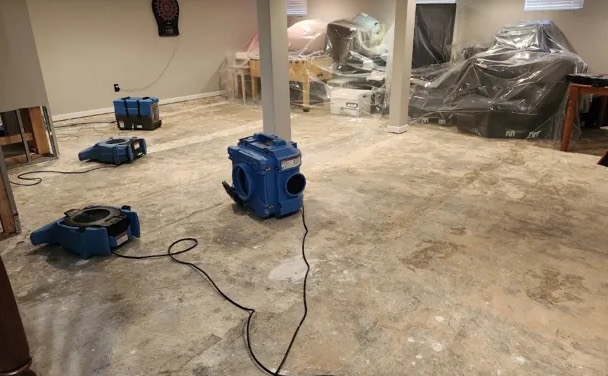
The specialists choose the mix of air movers, dehumidifiers and heaters from the size of the area, the materials and the moisture levels, then set it up to run safely.
Humidity Control for Restoration
The specialists keep humidity low in properties in North Richland Hills, so water evaporates from materials instead of soaking back in.
Climate-Controlled Drying Systems
For complex jobs, the specialists use industrial equipment to keep humid air from re-wetting materials, so walls dry all the way through.
Rapid Structural Drying Services
Rapid drying mitigates risk of long-term weaknesses or rot in wooden structures. The specialists use specialized techniques like injecting dry air into wall cavities.
Air Mover Placement for Drying
Expert deployment of air movers displaces the saturated air layer clinging to wet materials. Proper placement helps ensure every surface receives directed airflow, the engine of evaporation.
Warning Signs Requiring Temperature-Controlled Drying in North Richland Hills
Warping of Wood Floors or Trim
Floorboards begin to cup, buckle, or separate at the seams. This warping is a direct result of excessive, uneven moisture content.
Soft Drywall or Sagging Ceiling
Drywall feels spongy to the touch or a ceiling sags downward. This softness means the material is saturated and structurally compromised.
Equipment Running With No Result
Fans or dehumidifiers that run for days without drying the area mean the moisture is deeper than household equipment can reach.
High Humidity Readings Inside
A hygrometer showing unusually high indoor humidity after water damage means the building is still wet.
How Temperature-Controlled Drying Works in North Richland Hills
Step 1: Detailed Moisture Mapping Inspection
The experts use advanced sensors to map all affected areas, including hidden cavities.
Step 2: Strategic Air Mover Deployment
Based on the map, the pros position high-velocity air movers to create optimal airflow across wet surfaces.
Step 3: Climate-Controlled Drying Implementation
Industrial dehumidifiers are deployed to precisely control temperature and humidity in the contained space.
Step 4: Continuous Moisture Monitoring and Logs
Pros take regular moisture readings to track progress, adjusting equipment as needed. Detailed drying logs document the entire process for your records.
What Leads to Needing Temperature-Controlled Drying in North Richland Hills
Undetected Plumbing Leaks
A slow drip behind a wall or under a slab saturates materials over time.
Inadequate Initial Water Extraction
Water left behind after a leak or flood moves into subfloors and walls, where it is harder to dry.
Storm-Driven Water Intrusion
Heavy rain overflows gutters or gets in around windows and soaks framing and insulation.
Sprinkler System Activation
A fire sprinkler discharges, releasing a large volume of water quickly. This event saturates entire areas and requires precise air mover placement and strategy.
Residential and Commercial Drying in North Richland Hills, TX
Residential Temperature-Controlled Drying
Homeowners benefit from structural drying that prevents mold and preserves structural elements like wood framing and drywall. The experts set up targeted drying arrays to address specific home layouts and materials.
Commercial Temperature-Controlled Drying
For commercial properties, pros run industrial dehumidifiers and air movers to control humidity in large spaces and monitor moisture until the building is dry.
Temperature-Controlled Drying vs. DIY Drying in North Richland Hills
Letting a room air dry for days risks mold and lets moisture wick into nearby materials. Air movers and dehumidifiers dry it in a fraction of the time.
Cost Considerations for Temperature-Controlled Drying in North Richland Hills
The specialists in North Richland Hills base cost on the extent of the water damage, the humidity control needed and how long monitoring runs.
Structural Material Types
Porous materials like concrete or dense wood require more aggressive drying strategies and extended monitoring, influencing the project timeline and cost.
Access and Logistics
Challenging site access in North Richland Hills can complicate equipment deployment and placement, potentially increasing setup time and labor requirements.
Moisture Mapping Complexity
Checking moisture in layered floors or hidden cavities takes more time and equipment.
Does Insurance Cover Temperature-Controlled Drying?
The specialists in North Richland Hills provide thorough documentation including moisture mapping data to support a homeowner's claim. Coverage decisions belong to the insurer, so property owners should confirm with their provider.
The Value of Local Specialists for Temperature-Controlled Drying in North Richland Hills, TX
IICRC-Standard Drying Methods
Drying follows industry guidelines and is checked with meters, which keeps framing and floors from staying wet.
24/7 Emergency Response
Quick action is critical to limit secondary damage, and the pros are available around the clock to begin the drying process.
Ongoing Moisture Monitoring
Regular checks with moisture meters verify that drying goals are met, helping ensure no residual dampness remains within walls or floors.
24/7 Emergency Temperature-Controlled Drying in North Richland Hills
Water damage gets worse quickly as moisture spreads into materials. Call (214) 466-1670 24 hours a day to start drying in North Richland Hills.
Call Now (214) 466-1670Temperature-Controlled Drying Near North Richland Hills: Communities Served
The pros dry structures and control humidity in North Richland Hills and communities such as Richland Hills, Hurst and Bedford.
- Temperature-Controlled Drying in Richland Hills
- Temperature-Controlled Drying in Hurst
- Temperature-Controlled Drying in Bedford
- Temperature-Controlled Drying in Colleyville
- Temperature-Controlled Drying in Keller
- Temperature-Controlled Drying in Saginaw
- Temperature-Controlled Drying in Southlake
- Temperature-Controlled Drying in Euless
- Emergency Damage Restoration in 76180
- Storm Damage Restoration in 76180
- Water Damage Restoration in 76180
- Water Extraction Service in 76180
- Water Leak Detection in 76180
- Water Removal Service in 76180
- Emergency Damage Restoration in 76182
- Storm Damage Restoration in 76182
Frequently Asked Questions About Temperature-Controlled Drying
What is the difference between air movers and dehumidifiers?
Air movers evaporate moisture from surfaces into the air, and dehumidifiers pull it back out of the air.
Can temperature-controlled drying prevent mold growth?
By rapidly removing moisture and controlling humidity, the process creates an environment where mold cannot thrive, significantly reducing the potential for mold.
What should a property owner do while waiting for help with drying?
If safe, remove obvious standing water with a mop or towels, move dry contents away from the wet area, and avoid using household fans which can spread contaminants.
How does thermal drying for water damage work?
Thermal drying applies carefully managed heat to increase the evaporation rate of moisture trapped within materials, accelerating the drying process while monitored to prevent damage.
What materials benefit most from controlled drying systems?
Porous structural materials like drywall, wood framing, and concrete, as well as contents like documents and furniture, benefit greatly from controlled, gradual drying to prevent ruin.