Bedford, TX · Tarrant County
Temperature-Controlled Drying in Bedford, TXClimate-Controlled Drying Systems & Air Mover Placement For Drying
Temperature-Controlled Drying in Bedford includes moisture mapping, rapid structural drying services and water damage drying logs from local temperature-controlled drying specialists.
Answered 24/7
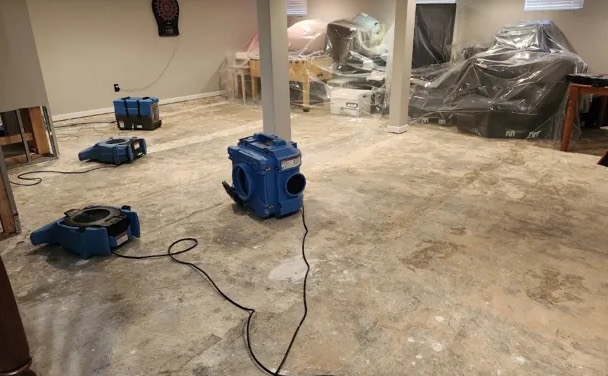
Targeted Temperature-Controlled Drying for Properties in Bedford
In Bedford, water spreads quickly through wood and concrete. Local pros use controlled heat to drive moisture out of those materials faster.
In Bedford and nearby Hurst, Colleyville and Euless, local pros map moisture in walls and subfloors, then fit thermal drying and humidity control to the materials in the building.
Temperature-Controlled Drying Services in Bedford
Climate-Controlled Drying Systems
Local temperature-controlled drying specialists set up systems that control temperature, humidity and airflow together, adjusting them as moisture readings change.
Air Mover Placement for Drying
The specialists angle and space air movers in each room in Bedford so air flows evenly across every wet surface.
Drying Equipment Deployment
The specialists in Bedford position equipment to create the controlled environment. They set correct settings and may build containment barriers, turning the drying plan into action.
Humidity Control for Restoration
The specialists run dehumidifiers to pull water vapor out of the air, which draws more moisture out of wet surfaces and prevents secondary damage.
Rapid Structural Drying Services
Rapid drying protocols focus on core materials providing a building's strength. The pros implement these methods for wood, concrete, and steel.
Signs You Need Professional Temperature-Controlled Drying in Bedford
Equipment Running With No Result
Fans or dehumidifiers that run for days without drying the area mean the moisture is deeper than household equipment can reach.
Warping of Wood Floors or Trim
Floorboards begin to cup, buckle, or separate at the seams. This warping is a direct result of excessive, uneven moisture content.
Discoloration on Drywall or Ceilings
Yellow or brown water stains appear on surfaces that seem dry. These stains suggest moisture is still present inside the wall cavity.
Moisture Meter Shows High Readings
A moisture meter reading high inside walls or floors means drying is not finished.
How Temperature-Controlled Drying Works in Bedford
Step 1: Site Evaluation and Equipment Planning
The pros evaluate the site to determine the type and quantity of drying tools needed.
Step 2: Drying Equipment Setup
Industrial air movers and dehumidifiers are set up in the affected zones right away.
Step 3: Controlled Humidity Management
Dehumidifiers pull moist air out of the room, which keeps the air dry enough for materials to keep drying.
Step 4: Progress Tracking With Drying Logs
Temperature, humidity and moisture readings are recorded each day in a drying log.
What Leads to Needing Temperature-Controlled Drying in Bedford
Undetected Plumbing Leaks
A slow drip behind a wall or under a slab saturates materials over time.
Overflowing Sinks or Bathtubs
A simple blockage or forgetfulness leads to an overflow event. Water spreads quickly, soaking cabinetry and flooring, and requires thorough drying equipment deployment.
Inadequate Initial Water Extraction
Water left behind after a leak or flood moves into subfloors and walls, where it is harder to dry.
Poor Ventilation After a Flood
Closing up a wet room traps humid air, which slows drying and lets moisture soak further into materials.
Whole-Property Temperature-Controlled Drying in Bedford
Residential Temperature-Controlled Drying
In condos and apartments, containment barriers and negative air machines keep moisture from moving into neighboring units while drying runs.
Commercial Temperature-Controlled Drying
Restaurants and food service businesses need rapid, sanitary drying to comply with health regulations after a water event. The pros use specialized equipment and antimicrobial treatments during the drying process.
Temperature-Controlled Drying vs. DIY Drying in Bedford
For a small, recent water spill, use towels to blot surface water and improve air circulation with fans. If water soaks into porous materials like drywall or carpet padding, contact the experts.
Understanding Temperature-Controlled Drying Cost in Bedford
In Bedford, cost depends on the size of the wet area and how aggressive the drying must be.
Extent of Water Damage
The larger the area that needs drying, the more equipment and labor the job takes.
Structural Material Types
Porous materials like concrete or dense wood require more aggressive drying strategies and extended monitoring, influencing the project timeline and cost.
Documentation Requirements
Detailed drying logs and moisture reports for insurance take extra time to prepare.
Does Insurance Cover Temperature-Controlled Drying?
The specialists keep moisture readings and drying logs to support a claim. Policies differ, so verify coverage with your insurance representative.
Why Choose Local Specialists for Temperature-Controlled Drying in Bedford
IICRC-Standard Drying Methods
Drying follows industry guidelines and is checked with meters, which keeps framing and floors from staying wet.
Advanced Moisture Mapping
Moisture meters and thermal cameras find hidden wet pockets so every affected material is dried.
24/7 Emergency Response
Quick action is critical to limit secondary damage, and the pros are available around the clock to begin the drying process.
24/7 Emergency Temperature-Controlled Drying in Bedford
Water damage gets worse quickly as moisture spreads into materials. Call (214) 466-1670 24 hours a day to start drying in Bedford.
Call Now (214) 466-1670Temperature-Controlled Drying Near Bedford: Communities Served
Controlled drying with detailed drying logs is available in Bedford, and near Hurst, Colleyville and Euless.
- Temperature-Controlled Drying in Hurst
- Temperature-Controlled Drying in Colleyville
- Temperature-Controlled Drying in Euless
- Temperature-Controlled Drying in North Richland Hills
- Temperature-Controlled Drying in Richland Hills
- Temperature-Controlled Drying in Grapevine
- Temperature-Controlled Drying in Southlake
- Temperature-Controlled Drying in Keller
- Emergency Damage Restoration in 76021
- Storm Damage Restoration in 76021
- Water Damage Restoration in 76021
- Water Extraction Service in 76021
- Water Leak Detection in 76021
- Water Removal Service in 76021
- Emergency Damage Restoration in 76022
- Storm Damage Restoration in 76022
Your Temperature-Controlled Drying Questions Addressed
What are water damage drying logs used for?
Drying logs are detailed records of moisture readings, equipment settings, and progress; they provide documentation for the restoration process and are often required for insurance claims.
Why is moisture mapping important for drying?
Sensors measure moisture across the affected area to show exactly where it is wet, so equipment is aimed at the right spots.
How is drying progress verified during moisture monitoring?
Progress is verified by taking comparative moisture readings with penetrating and non-penetrating meters over time, ensuring levels drop to established dry standards for each material.
What materials benefit most from controlled drying systems?
Porous structural materials like drywall, wood framing, and concrete, as well as contents like documents and furniture, benefit greatly from controlled, gradual drying to prevent ruin.
How does humidity control aid in restoration?
Drier air pulls water out of wet materials faster, so lowering humidity speeds up drying.