Saginaw, TX · Tarrant County
Temperature-Controlled Drying in Saginaw, TXAir Mover Placement For Drying & Climate-Controlled Drying Systems
For Temperature-Controlled Drying in Saginaw, local drying equipment pros handle thermal drying for water damage, humidity control for restoration, and drying equipment deployment to prevent mold.
Answered 24/7
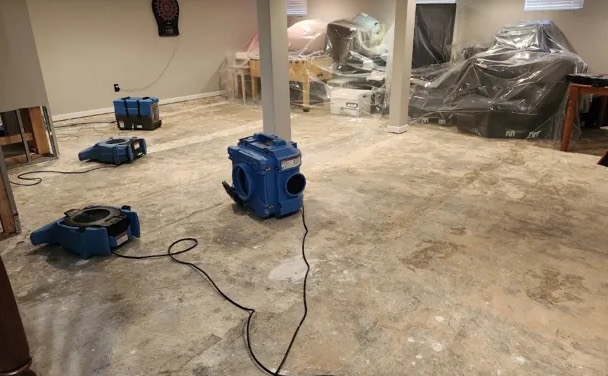
Local Temperature-Controlled Drying Solutions for Saginaw Homes
In Saginaw, moisture left in a structure can cause odors and draw pests. The pros map the damage with infrared cameras and sensors before setting up drying.
In Saginaw and nearby Sansom Park, River Oaks and Lake Worth, local pros map moisture in walls and subfloors, then fit thermal drying and humidity control to the materials in the building.
Temperature-Controlled Drying Services in Saginaw
Air Mover Placement for Drying
The pros plan placement around furniture and walls, and may build air dams or blow air into cavities to cut drying time in Saginaw homes.
Climate-Controlled Drying Systems
Dehumidifiers and air movers keep the air in a contained space warm and dry, so moisture moves out of materials faster.
Water Damage Drying Logs
The pros in Saginaw maintain drying logs as an official record. This data tracks moisture reduction over time and informs any needed adjustments to the drying strategy.
Moisture Mapping
Systematic testing identifies moisture content percentages in all building materials. The experts compare readings to known dry standards.
Rapid Structural Drying Services
The pros aim air movers at wet studs, joists and subfloors to dry the structure safely.
When to Call for Temperature-Controlled Drying in Saginaw, TX
High Humidity Readings Inside
A hygrometer showing unusually high indoor humidity after water damage means the building is still wet.
Cold, Damp Feeling in a Room
A room feels noticeably colder and damper than the rest of the house. This sensation is often due to evaporative cooling from wet materials.
Visible Mold Growth in Corners
Black, green or white specks in damp corners or on baseboards are usually mold, which means moisture has been there a while.
Warping of Wood Floors or Trim
Floorboards begin to cup, buckle, or separate at the seams. This warping is a direct result of excessive, uneven moisture content.
How Temperature-Controlled Drying Works in Saginaw
Step 1: Initial Moisture Survey and Readings
Pros take baseline moisture readings across the property to plan the drying.
Step 2: Precision Air Mover Placement
Air movers are placed at set angles and distances to target specific wet materials.
Step 3: Deployment of Drying Systems
Dehumidifiers are sized to the moisture load and the size of the space.
Step 4: Ongoing Monitoring and Adjustment
Equipment is moved and adjusted as materials dry, so drying keeps moving.
Typical Reasons for Drying Needs in Saginaw
Appliance Malfunction or Overflow
A failed washing machine hose, water heater or dishwasher can release many gallons onto the floor.
HVAC System Condensation Issues
A clogged condensate drain line causes an overflow inside the air handler. This water can soak insulation and ductwork, creating a hidden moisture issue.
Undetected Plumbing Leaks
A slow drip behind a wall or under a slab saturates materials over time.
Storm-Driven Water Intrusion
Heavy rain overflows gutters or gets in around windows and soaks framing and insulation.
Temperature-Controlled Drying for All Property Types in Saginaw
Residential Temperature-Controlled Drying
At home, moisture hides in attics, crawl spaces and behind finished walls. Pros map it before setting up equipment so the whole house dries.
Commercial Temperature-Controlled Drying
In offices, schools and clinics, pros use quieter drying equipment that can run in occupied spaces, and document when drying is complete.
Temperature-Controlled Drying vs. DIY Drying in Saginaw
Photograph all affected areas and items for insurance and move undamaged belongings to a dry room. Drying the structure takes industrial equipment that DIY gear cannot replace.
Factors in Temperature-Controlled Drying Pricing for Saginaw, TX
In Saginaw, cost depends on how far the moisture spread and how many rooms need drying equipment and monitoring.
Structural Material Types
Porous materials like concrete or dense wood require more aggressive drying strategies and extended monitoring, influencing the project timeline and cost.
Documentation Requirements
Detailed drying logs and moisture reports for insurance take extra time to prepare.
Extent of Water Damage
The larger the area that needs drying, the more equipment and labor the job takes.
Does Insurance Cover Temperature-Controlled Drying?
The pros keep moisture readings and drying logs to support a claim. Policies differ, so verify coverage with your insurance representative.
Why Choose Local Drying Equipment Pros for Temperature-Controlled Drying in Saginaw
Humidity Control for Restoration
Keeping the air dry draws moisture out of materials until the space is stable.
Ongoing Moisture Monitoring
Regular checks with moisture meters verify that drying goals are met, helping ensure no residual dampness remains within walls or floors.
Advanced Moisture Mapping
Moisture meters and thermal cameras find hidden wet pockets so every affected material is dried.
24/7 Emergency Temperature-Controlled Drying in Saginaw
Water damage gets worse quickly as moisture spreads into materials. Call (214) 466-1670 24 hours a day to start drying in Saginaw.
Call Now (214) 466-1670Temperature-Controlled Drying Near Saginaw: Communities Served
Local pros dry structures and control humidity in Saginaw and communities such as Sansom Park, River Oaks and Lake Worth.
- Temperature-Controlled Drying in Sansom Park
- Temperature-Controlled Drying in River Oaks
- Temperature-Controlled Drying in Lake Worth
- Temperature-Controlled Drying in North Richland Hills
- Temperature-Controlled Drying in Richland Hills
- Temperature-Controlled Drying in Keller
- Temperature-Controlled Drying in Hurst
- Temperature-Controlled Drying in White Settlement
- Emergency Damage Restoration in 76131
- Storm Damage Restoration in 76131
- Water Damage Restoration in 76131
- Water Extraction Service in 76131
- Water Leak Detection in 76131
- Water Removal Service in 76131
- Emergency Damage Restoration in 76179
- Storm Damage Restoration in 76179
Temperature-Controlled Drying Information and FAQs
What materials benefit most from controlled drying systems?
Porous structural materials like drywall, wood framing, and concrete, as well as contents like documents and furniture, benefit greatly from controlled, gradual drying to prevent ruin.
Why is moisture mapping important for drying?
Sensors measure moisture across the affected area to show exactly where it is wet, so equipment is aimed at the right spots.
How does thermal drying for water damage work?
Thermal drying applies carefully managed heat to increase the evaporation rate of moisture trapped within materials, accelerating the drying process while monitored to prevent damage.
How long does the temperature-controlled drying process take?
It depends on the damage, the materials and the conditions. Pros monitor readings and stop when moisture goals are met.
What are the benefits of rapid structural drying services?
Rapid structural drying minimizes the time materials are wet, reducing the risk of swelling, warping, and secondary damage like mold, which helps preserve property value.