ZIP 75138 · Duncanville, TX · Dallas County
Water Leak Detection in 75138Emergency Leak Detection & Whole House Leak Detection
Water Leak Detection in Duncanville covers hidden water leak detection, slab leak detection and thermal imaging leak detection.
Answered 24/7
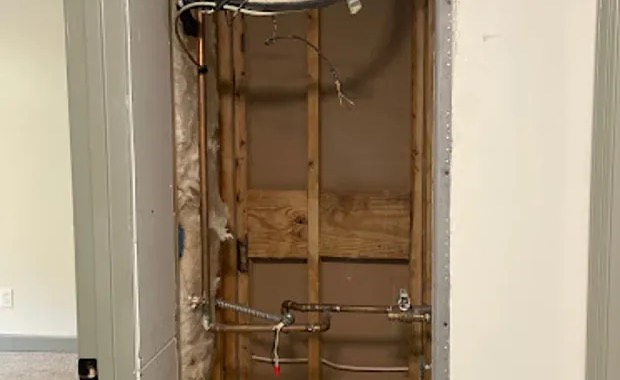
Water Leak Detection Solutions in 75138, TX
In Duncanville, slow leaks ruin finishes, draw pests and can grow mold. Finding them early keeps repairs small, whether by checking the water meter or using an infrared camera.
In Duncanville and nearby Cedar Hill, DeSoto and Glenn Heights, local pros use thermal cameras and other tools to find leaks in slabs, pipes and walls. Call (214) 466-1670 24/7 for water leak detection in Duncanville.
Specialized Water Leak Detection in 75138
Emergency Leak Detection
Help is available 24/7 for urgent leaks such as burst pipes or failed supply lines.
Whole House Leak Detection
Pros check the home's entire plumbing system for active leaks, so no leak, big or small, is missed.
Thermal Imaging Leak Detection
Thermal imaging for leak detection allows pros to see moisture patterns that are invisible to the naked eye.
Pipe Leak Detection
Local leak detection experts test the plumbing one section at a time to isolate the pipe that is losing water.
Hidden Water Leak Detection
Hidden water leak detection uses advanced acoustic listening devices to pinpoint leaks behind walls or under floors without invasive demolition.
Signs That Point to Hidden Leaks Needing Water Leak Detection
Musty Odors and Mold Growth
A persistent earthy smell or visible mold spots can signal hidden moisture from an undetected leak.
Water Pooling in the Yard
Unexplained soggy patches, lush grass spots, or standing water in your landscaping suggest an outdoor line leak.
Warm Spots on the Floor
Certain areas of tile or flooring feel unusually warm, which may indicate a hot water line leak.
Foundation Cracks or Shifts
New cracks in your home's foundation or slab can be caused by water erosion from a subsurface leak.
How Water Leak Detection Works in 75138
Step 1: Site Evaluation and Moisture Mapping
Experts first evaluate the property, using moisture meters to map damp areas and identify the most likely zones for the leak's origin.
Step 2: Thermal Imaging Leak Detection
A thermal imaging leak detection survey is conducted, revealing hidden moisture patterns behind surfaces without any physical damage to your home.
Step 3: Pipe Leak Detection Isolation
The water supply is systematically isolated and tested to confirm which specific pipe line is failing, whether it's a supply line or drain.
Step 4: Precise Location Marking
The exact coordinates of the leak are marked on the wall, floor, or slab, providing a clear target for any necessary repair work.
Reasons for Professional Water Leak Detection Services
Poor Plumbing Installation
Improperly soldered joints, loose fittings, or incorrect pipe slopes from the initial install create weak points prone to leaking.
Chemical Drain Cleaner Damage
Harsh chemical cleaners can corrode pipe interiors, especially in older metal pipes, thinning walls and creating leak points.
Corroded or Aging Pipes
Over time, metal pipes corrode and weaken, while plastic pipes can become brittle, leading to pinhole leaks or bursts.
Root Intrusion Into Lines
Tree roots seek moisture and can infiltrate underground sewer or water lines, cracking pipes and causing major blockages and leaks.
Water Leak Detection for Homes and Businesses in 75138
Residential Water Leak Detection
For homes on concrete slabs, finding the exact leak location means the floor is opened in one small spot instead of several.
Commercial Water Leak Detection
In office buildings or retail spaces, slab leaks can go unnoticed until flooring fails or utility costs soar. Professional leak detection for businesses identifies these hidden issues before they cause major operational and financial impacts.
Water Leak Detection vs. DIY Leak Finding
Check for visible signs like water stains, warping, or mold growth on walls, ceilings, and floors. Documenting these areas with photos is helpful, but locating the originating leak requires the methods used by the experts.
What Affects Water Leak Detection Cost in 75138, TX
Leaks under concrete slabs or inside finished ceilings cost more to find because they need special tools and more steps to confirm.
Leak Location
Hidden leaks behind walls or under foundations require more sophisticated detection equipment and time to locate, affecting the overall service cost.
Follow-Up Documentation
Detailed moisture readings and photo documentation for your records can add to the cost.
Access Difficulty
Slab leak detection or leaks within finished spaces can be harder to access, requiring non-destructive methods that add procedural steps.
Does Insurance Cover Water Leak Detection?
Insurance may cover a sudden, accidental leak. Acoustic or thermal findings from the detection are important for your claim. Pros provide the evidence, but check your policy with your carrier.
Why 75138 Trusts Local Pros for Water Leak Detection
Emergency Leak Detection Readiness
Help with urgent situations is available, as undetected leaks can cause significant secondary damage if not addressed promptly.
Detailed Damage Documentation
The process includes photo evidence and moisture readings, which can be important for your records and any necessary insurance discussions.
IICRC-Standard Methods
The approach follows industry-standard guidelines for moisture mapping and documentation, ensuring a systematic process for locating and verifying water intrusion.
Emergency Water Leak Detection Available in 75138, TX
Leak detection is available day or night. Call the pros at (214) 466-1670 to find the leak in your home.
Call Now (214) 466-1670Water Leak Detection Coverage in and Around ZIP 75138
Water leak detection services cover Duncanville and the vicinity, including Cedar Hill, DeSoto and Glenn Heights, focusing on finding the source of leaks behind walls, under floors, or within slabs.
Water Leak Detection FAQs for 75138 Homeowners
What tools are used for water leak detection?
Thermal cameras show temperature differences, listening devices pick up water sounds and moisture meters map damp areas.
Can leak detection prevent mold growth?
By identifying and enabling the repair of hidden moisture sources early, professional leak detection helps remove the conditions that allow mold to establish and grow within wall cavities.
Why is thermal imaging used for leak detection?
Thermal imaging detects temperature variations caused by moisture; cooler wet spots often show up against warmer dry surfaces, allowing visual identification of leak areas behind walls or ceilings.
Can water leaks be found without tearing out walls?
Yes, non-invasive methods like thermal imaging leak detection and acoustic surveys are designed to locate many hidden leaks without destructive exploration, preserving your home's finishes.
What areas of the home are checked during leak detection?
The check focuses on areas with plumbing: behind walls near bathrooms and kitchens, under sinks, around water heaters, beneath slabs, and along the main supply lines throughout the house.