ZIP 76203 · Denton, TX · Denton County
Water Damage Restoration in 76203Water Damage Repair & Flood Cleanup
Water Damage Restoration in Denton covers water removal, flood cleanup and mold prevention after water damage.
Answered 24/7
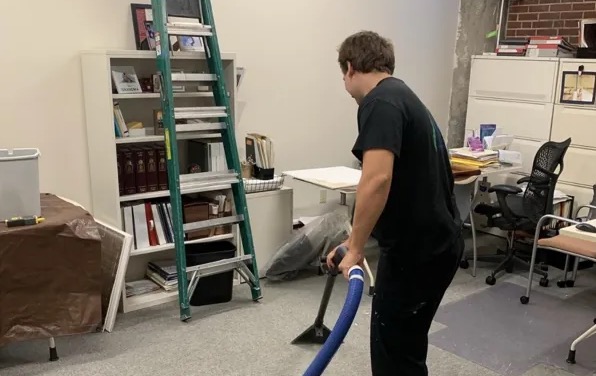
Water Damage Restoration Response in Denton County
In Denton, storms and plumbing failures bring water inside. Local water extraction experts handle extraction, sewage cleanup and drying after storm damage.
Around Denton, including Corinth, Shady Shores and Krum, the pros remove water from affected homes and businesses and dry the structure to keep mold from starting.
The Water Damage Restoration Process in 76203, TX
Water Damage Repair
Water damage repair reconstructs materials that could not be saved. It includes installing new drywall, baseboards, flooring, and paint.
Flood Cleanup
Flood water can carry contaminants. The pros in Denton remove ruined materials, extract the water and apply antimicrobial treatment.
Mold Prevention After Water Damage
If mold is found during water cleanup, the affected area is contained and noted so it can be handled separately.
Water Removal
Removing water immediately after a leak prevents secondary damage. Industrial equipment eliminates water from affected rooms in properties in Denton.
Structural Drying
Structural drying removes moisture from materials like drywall and wood. It uses air movers and dehumidifiers to achieve specific dryness goals, preventing warping and mold.
Indicators of Water Damage in 76203 Homes
Visible Mold Patches
Any visible mold, especially after a leak, means moisture has stayed long enough for spores to grow.
Cracked or Warping Floorboards
Hardwood floors that warp, cup, or crack are reacting to moisture. The pros can assess and begin drying.
High Indoor Humidity Levels
A consistently sticky, humid feeling indoors can indicate poor drying. Professionals use tools to measure and correct moisture levels.
Wet Spots on Carpets
Carpet or pad that stays damp means water has soaked deep into the floor, where it can rot the subfloor.
How Water Damage Restoration Works in 76203
Step 1: First Call and Inspection
An inspection after your call finds the type of water and how far it spread.
Step 2: Bulk Water and Sewage Cleanup
All bulk water, including hazardous Category 3 water from sewage backups, is removed. Specialized sewage cleanup protocols are used for safety.
Step 3: Detailed Moisture Removal
Moisture trapped in subfloors, drywall and insulation is pulled out with targeted drying.
Step 4: Property Restoration Completion
The final phase involves repairing or replacing damaged structural elements and finishes, with the goal of a dry, usable property.
Common Causes of Water Damage in 76203
Bathroom Fixture Failures
Failed toilet seals, overflowing tubs and leaking shower pans soak carpet and subfloors over time.
Fire Suppression System Activation
Fire sprinklers that discharge during a fire or by accident put a lot of water into a building.
Roof Leaks From Storm Damage
Wind-driven rain, hail or fallen debris can break through roofing and let water into the home.
Appliance Malfunctions and Leaks
Water heaters, washing machines, dishwashers and refrigerators can leak or overflow suddenly and flood the floor.
Water Damage Restoration for All Property Types in 76203
Residential Water Damage Restoration
Water damage in homes demands quick action to protect personal belongings and structure. The pros address leaks from appliances, roof failures, or plumbing to prevent mold.
Commercial Water Damage Restoration
For businesses, water damage halts operations and puts stock, equipment and data at risk. Pros extract water from offices, stores and warehouses and dry the structure to get you reopened.
Professional Water Damage Restoration or DIY in 76203?
For a minor bathroom overflow, use towels and a squeegee on tile. Check for water under the toilet base. Running a dehumidifier can help. If water is under baseboards or subfloor damage is suspected, professional water damage cleanup is necessary.
Factors in Water Damage Restoration Pricing for 76203
Cost for water damage cleanup in Denton depends heavily on the water's source. Clean water from a supply line is less complex than contaminated sewage, which demands specialized safety and disposal procedures, increasing overall expense.
Affected Materials
Restoration costs vary if water damages drywall, hardwood floors, or custom cabinetry, as each material has different repair or replacement requirements.
Secondary Damage Remediation
Extra work like mold removal or storm repairs adds its own scope and cost.
Area Accessibility
Difficult-to-access areas like crawl spaces or attics may require specialized equipment, increasing the time and cost for the experts to complete the work.
Does Insurance Cover Water Damage Restoration?
For storm damage, check whether wind-driven rain or hail is covered. The pros record the damage with photos and notes, giving you a file to submit to your insurer.
Why Choose Local Water Extraction Experts for Water Damage Restoration in 76203
IICRC-Standard Methods
The pros follow industry standards for water removal and drying, which helps prevent mold.
Advanced Moisture Detection
Thermal cameras and moisture meters let the experts find hidden water in walls and subfloors so drying is complete.
Content Restoration Focus
Attention is given to salvaging personal belongings through specialized techniques like wet carpet drying and content cleaning, when possible, during the restoration process.
Round-the-Clock Water Damage Restoration in 76203
Sewer backups and major flooding need fast, safe handling. Call (214) 466-1670 24/7 for the experts to start sewage cleanup or water extraction.
Call Now (214) 466-1670Water Damage Restoration Near 76203: Areas Served
Across Denton and nearby Corinth, Shady Shores and Krum, the pros extract water, dry and repair homes and businesses.
Frequently Asked Water Damage Restoration Questions
What is Category 3 water during sewage cleanup?
Category 3 water is grossly contaminated, containing pathogens, as from sewage backups, flooding from rivers, or standing water that has become stagnant.
How do professionals handle a sewage backup cleanup?
Sewage cleanup requires strict safety protocols due to contaminants. The process involves removing the hazardous waste, thorough cleaning and disinfecting affected areas, and often removing porous materials that cannot be adequately sanitized.
What should be done immediately after discovering water damage?
If safe, stop the water source if possible. Move valuable items away from water. Then, contact the experts for emergency water extraction.
What happens during the flood cleanup process?
Flood cleanup starts with pumping out standing water. Then, mud and debris are removed. The area is cleaned and disinfected.
Why can mold become a problem after water damage?
Mold can grow in damp materials within 24 to 48 hours. If moisture remains after drying, mold removal may be needed.