Richland Hills, TX · Tarrant County
Warehouse Water Damage Restoration in Richland Hills, TXWarehouse Flood Water Extraction & Warehouse Inventory Water Damage
Warehouse Water Damage Restoration in Richland Hills provides warehouse mold remediation, warehouse floor water removal, and warehouse leak detection repair.
Answered 24/7
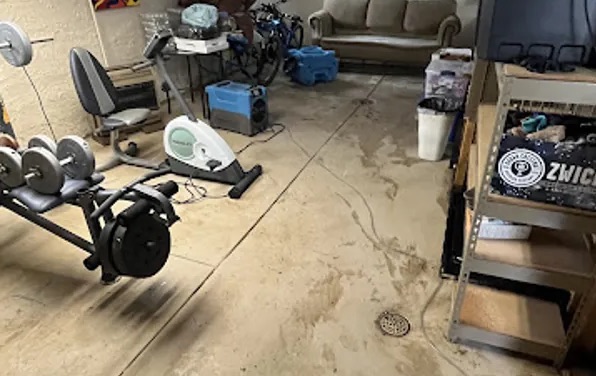
Professional Warehouse Water Damage Restoration in Richland Hills, TX
In Richland Hills, local pros find and repair the leak and extract the water to stop mold and structural decay.
In Richland Hills, warehouse floods need large-volume extraction and drying. Local pros dry and clean the building, including mold removal, and also serve North Richland Hills, Hurst and Bedford.
Key Warehouse Water Damage Restoration Procedures
Warehouse Flood Water Extraction
For warehouse flooding, bulk water extraction comes first. Truck-mounted systems handle the significant water present on the industrial floor.
Warehouse Inventory Water Damage
Pros document damaged goods for the claim and separate items that can be dried, so you recover as much stock value as possible.
Warehouse Structural Drying
Drying the warehouse structure requires managing humidity and air movement at scale. Heavy-duty equipment is positioned to dry concrete, steel, and building cavities thoroughly.
Warehouse Water Damage Cleanup
Completing warehouse water damage restoration requires a thorough cleanup phase. The process sanitizes surfaces and addresses any lingering musty smells from the incident.
Warehouse Mold Remediation
Warehouse mold remediation involves removing colonization sources and cleaning the space. Contaminated items like wet cardboard or insulation are discarded, and antimicrobial treatments are applied.
Common Red Flags for Warehouse Water Damage Restoration
Water on Warehouse Floor
Standing water in aisles or around stored goods needs to be removed before it soaks into pallets and stock.
Peeling Paint or Rust
Paint blistering or accelerated rust on structural steel are clear signs of excess warehouse moisture.
Warped or Buckling Floors
A curling slab or failing epoxy coating points to moisture under the floor.
Soggy Insulation Overhead
Wet, sagging insulation in ceiling bays loses R-value and can lead to collapse.
How Warehouse Water Damage Restoration Works in Richland Hills
Step 1: Emergency Water Extraction
Local warehouse water damage pros use industrial pumps and extractors to remove all standing flood water from the facility, starting the warehouse water removal process.
Step 2: Strategic Structural Drying
High-capacity air movers and commercial dehumidifiers are positioned to dry the warehouse structure, including walls, ceilings, and the concrete slab, preventing warping.
Step 3: Inventory and Content Processing
Affected goods and materials are evaluated for warehouse inventory water damage; salvageable items are moved to a dry zone for specialized drying or cleaning.
Step 4: Final Verification and Documentation
Using moisture meters, pros verify the space is dry to industry standards. They document the process with readings and photos for your insurance review.
Frequent Causes of Leaks Needing Warehouse Water Damage Restoration
Roof Leaks and Penetrations
Damaged roofing, failed seals around vents or skylights, and storm damage allow water into warehouse spaces.
Process Equipment Leaks
Cooling lines, hydraulic systems, or wash-down stations can develop leaks, creating localized water damage.
Plumbing Supply Line Breaks
A burst pipe in restrooms, break rooms, or process water lines leads to significant water loss.
Human Error and Accidents
A left-on hose, an overturned tank, or a forklift damaging a pipe can initiate flooding.
Industrial-Grade Warehouse Water Damage Restoration in Richland Hills
Residential Water Damage Restoration
A flooded home workshop with power tools and materials requires the thorough moisture removal approach of the experts to dry the space and prevent warping or rust damage to equipment.
Warehouse Water Damage Restoration
Property managers need concrete slabs dried to avoid flooring and moisture problems later. Moisture maps and readings also support the insurance claim.
Why DIY Warehouse Water Damage Repair Fails
Wiping down exposed metal surfaces on equipment can slow surface rust after a leak. For thorough warehouse equipment drying and corrosion prevention, controlled techniques are used to dry internal components.
Factors Influencing Warehouse Water Damage Restoration Cost
Factors influencing warehouse water removal expense include the water source category, the duration of exposure, and the required level of moisture documentation for insurance or internal records.
Structural Material Type
Concrete floors and steel framing dry differently than areas with drywall or insulation, affecting the methods and time required.
Access and Complexity
Multi-level racking, confined machinery spaces, or high ceilings can complicate water removal and drying, increasing labor and equipment needs.
Emergency Service Timing
A 24/7 response outside standard hours may involve different service rates compared to a scheduled appointment during business hours.
Does Insurance Cover Warehouse Water Damage Restoration?
Coverage for warehouse water damage depends on the commercial policy's terms, endorsements and the cause of the loss. The pros document damage with photos and moisture readings for a claim.
Why Choose Local Warehouse Restoration Experts for Warehouse Water Damage Restoration
Floor Water Removal
Effective warehouse floor water removal addresses both surface water and moisture trapped below the surface or in subflooring materials.
Mold Prevention Focus
Rapid water removal and thorough drying are the primary methods the pros use to help prevent mold growth after a flood.
Equipment Drying Protocols
Specialized techniques for warehouse equipment drying aim to minimize corrosion and electrical damage to machinery and control panels after water exposure.
Round-the-Clock Warehouse Water Damage Restoration in Richland Hills, TX
For immediate warehouse water damage restoration in Richland Hills TX, call (214) 466-1670 now. Quick action can limit structural damage, inventory loss, and secondary issues like mold.
Call Now (214) 466-1670Warehouse Water Damage Restoration Near Richland Hills: Areas Served
Warehouse flood cleanup is available in Richland Hills and nearby areas such as North Richland Hills, Hurst and Bedford.
- Warehouse Water Damage Restoration in North Richland Hills
- Warehouse Water Damage Restoration in Hurst
- Warehouse Water Damage Restoration in Bedford
- Warehouse Water Damage Restoration in Colleyville
- Warehouse Water Damage Restoration in Keller
- Warehouse Water Damage Restoration in Euless
- Warehouse Water Damage Restoration in Saginaw
- Warehouse Water Damage Restoration in Southlake
- Emergency Damage Restoration in 76118
- Storm Damage Restoration in 76118
- Water Damage Restoration in 76118
- Water Extraction Service in 76118
- Water Leak Detection in 76118
- Water Removal Service in 76118
Warehouse Water Damage Restoration in Richland Hills: Your Questions Answered
What records are kept for warehouse water damage repair?
The pros document the process with photos, moisture reading logs, equipment logs, and detailed notes for your records and any insurance claim.
Does warehouse water damage always lead to mold?
Not always, but mold spores are everywhere; and thorough drying is the most effective way to help prevent them from germinating and growing.
What does warehouse structural drying involve?
This process uses industrial air movers and dehumidifiers to remove moisture from building materials like concrete, steel, and wall assemblies to dry standards.
What is warehouse water damage restoration?
It is the process of extracting water, drying the structure and contents, and repairing damage caused by flooding or leaks in a commercial warehouse.
How long does industrial water damage restoration typically take?
Duration varies widely by scale; a significant warehouse flood may require several days of active drying followed by repair and cleanup phases.