Irving, TX · Dallas County
Warehouse Water Damage Restoration in Irving, TXWarehouse Flood Water Extraction & Warehouse Floor Water Removal
Warehouse Water Damage Restoration in Irving provides warehouse mold remediation, warehouse floor water removal, and warehouse leak detection repair.
Answered 24/7
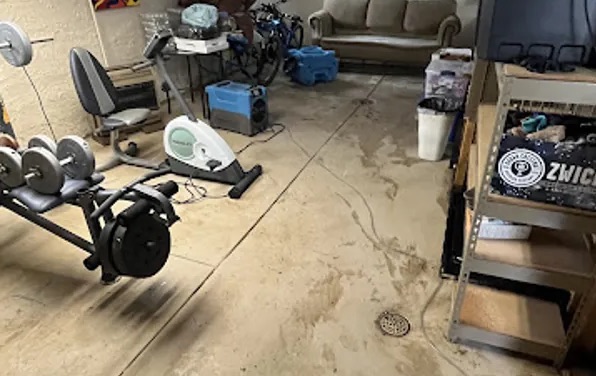
Professional Warehouse Water Damage Restoration in Irving, TX
In Irving, warehouse water damage can mean long downtime and structural problems. Local pros respond day or night with industrial extraction and drying equipment.
Warehouse water damage restoration is a critical service for industrial and storage facilities in Irving, where water intrusion can halt operations and damage valuable stock. Local warehouse water damage pros provide warehouse flood water extraction and structural drying to restore functionality, serving businesses here and in nearby areas like Grand Prairie, Farmers Branch and Euless.
Comprehensive Warehouse Water Damage Restoration Solutions
Warehouse Flood Water Extraction
High-volume extractors clear standing water from large warehouse floors fast. The pros in Irving work to protect stock and the structure.
Warehouse Floor Water Removal
Warehouse floors, especially sealed concrete, need dedicated water removal. Extraction equipment pulls moisture from the surface and substrate to prevent slab damage and mold.
Warehouse Equipment Drying
Water can damage warehouse machinery and electrical systems. Pros dry equipment carefully to prevent corrosion and failures, and the owner or maker confirms it is safe to restart.
Warehouse Structural Drying
Drying the warehouse structure requires managing humidity and air movement at scale. Heavy-duty equipment is positioned to dry concrete, steel, and building cavities thoroughly.
Warehouse Leak Detection Repair
Identifying the leak source is the first step in solving warehouse water damage. A thorough inspection of the building envelope and systems is conducted.
Indicators of Warehouse Water Damage in Irving
Water on Warehouse Floor
Standing water in aisles or around stored goods needs to be removed before it soaks into pallets and stock.
Wet Electrical Components
Any moisture near panels, conduits, or outlets is an immediate safety hazard for warehouse operations.
High Humidity Readings
A hygrometer that keeps showing high humidity means the building is still wet.
Water Stains on Walls
Discolored streaks or rings on interior walls reveal past or active leaks in the warehouse.
How Warehouse Water Damage Restoration Works in Irving
Step 1: Flood Water Removal
The first response involves warehouse flood water extraction using truck-mounted or portable systems to clear aisles and work areas of bulk water.
Step 2: Comprehensive Moisture Mapping
Pros use sensors to map moisture levels throughout the warehouse, identifying wet spots in floors and walls to guide the warehouse drying services plan.
Step 3: Targeted Equipment Drying
Machinery and electrical panels near the water get focused drying to limit corrosion and electrical damage.
Step 4: Sanitization and Air Scrubbing
If needed, the area is sanitized, and air scrubbers remove particulates and odors, completing the warehouse water damage cleanup and restoring air quality.
Typical Sources of Warehouse Water Damage
Process Equipment Leaks
Cooling lines, hydraulic systems, or wash-down stations can develop leaks, creating localized water damage.
Plumbing Supply Line Breaks
A burst pipe in restrooms, break rooms, or process water lines leads to significant water loss.
HVAC Condensate Line Failure
Clogged or disconnected drain lines from large commercial units can flood warehouse floors quickly.
Roof Leaks and Penetrations
Damaged roofing, failed seals around vents or skylights, and storm damage allow water into warehouse spaces.
Warehouse Water Damage Restoration for Irving Businesses
Residential Water Damage Restoration
Mostly a commercial service, but local pros can also help homeowners with oversized garages, workshops or storage buildings flooded by appliance failures or storms.
Warehouse Water Damage Restoration
Warehouses, plants and distribution hubs lose money every day a flood halts operations. Pros extract water to protect inventory and the structure.
Why DIY Warehouse Water Damage Repair Fails
Documenting the damage with photos and notes for your insurance claim is a responsible step you can take. The scope, cause, and extent of industrial water damage restoration, however, must be assessed and executed by qualified specialists.
Understanding Warehouse Water Damage Restoration Cost in Irving
Factors influencing warehouse water removal expense include the water source category, the duration of exposure, and the required level of moisture documentation for insurance or internal records.
Inventory and Equipment Damage
Costs go up when stored goods or machinery got wet and need drying, cleaning or corrosion control.
Water Volume and Source
Clean water from a broken pipe costs less to extract than contaminated flood water requiring advanced sanitation procedures in the warehouse.
Required Drying Time
The number of days industrial-grade dehumidifiers and air movers must run to reach dry standard significantly influences the final expense.
Does Insurance Cover Warehouse Water Damage Restoration?
Industrial water damage restoration is often a covered peril, but policy deductibles, limits, and various exclusions typically apply. Discussing the specific incident with an insurance agent is a necessary step.
The Value of Local Warehouse Water Damage Restoration Experts
24/7 Emergency Response
Quick action is critical for warehouse water damage; the pros are available around the clock to begin mitigating the loss.
Industrial-Grade Equipment
Warehouse flood cleanup requires truck-mounted extractors, industrial dehumidifiers, and high-volume air movers designed for large-scale commercial spaces.
Leak Detection Repair
After extraction, warehouse leak repair experts can help identify and address the source of the water intrusion to prevent a recurrence.
Round-the-Clock Warehouse Water Damage Restoration in Irving, TX
Major leaks or flooding demand early professional help to prevent structural issues and inventory loss. Dial (214) 466-1670 for emergency water removal, extraction, and drying from the experts around the clock.
Call Now (214) 466-1670Warehouse Water Damage Restoration for Irving and Nearby Communities
Warehouse extraction and repair are available in Irving and nearby communities, including Grand Prairie, Farmers Branch and Euless.
- Warehouse Water Damage Restoration in Grand Prairie
- Warehouse Water Damage Restoration in Farmers Branch
- Warehouse Water Damage Restoration in Euless
- Warehouse Water Damage Restoration in Carrollton
- Warehouse Water Damage Restoration in Highland Park
- Warehouse Water Damage Restoration in Coppell
- Warehouse Water Damage Restoration in Grapevine
- Warehouse Water Damage Restoration in Bedford
- Emergency Damage Restoration in 75014
- Storm Damage Restoration in 75014
- Water Damage Restoration in 75014
- Water Extraction Service in 75014
- Water Leak Detection in 75014
- Water Removal Service in 75014
- Emergency Damage Restoration in 75015
- Storm Damage Restoration in 75015
Warehouse Water Damage Restoration FAQs
What does warehouse structural drying involve?
This process uses industrial air movers and dehumidifiers to remove moisture from building materials like concrete, steel, and wall assemblies to dry standards.
Does warehouse water damage always lead to mold?
Not always, but mold spores are everywhere; and thorough drying is the most effective way to help prevent them from germinating and growing.
How long does industrial water damage restoration typically take?
Duration varies widely by scale; a significant warehouse flood may require several days of active drying followed by repair and cleanup phases.
Why is warehouse floor water removal challenging?
Water soaks into concrete, so slabs take longer to dry and need dehumidifiers and readings to confirm.
What causes warehouse leaks needing detection and repair?
Common sources include roof failures, compromised siding or cladding, sealant failures around doors and loading docks, or plumbing issues within the warehouse's utility infrastructure.