North Richland Hills, TX · Tarrant County
Subfloor Water Damage Repair in North Richland Hills, TXSubfloor Mold Prevention & Wet Subfloor Drying
Subfloor Water Damage Repair in North Richland Hills requires subfloor moisture inspection, subfloor water extraction, and wet subfloor repair.
Answered 24/7
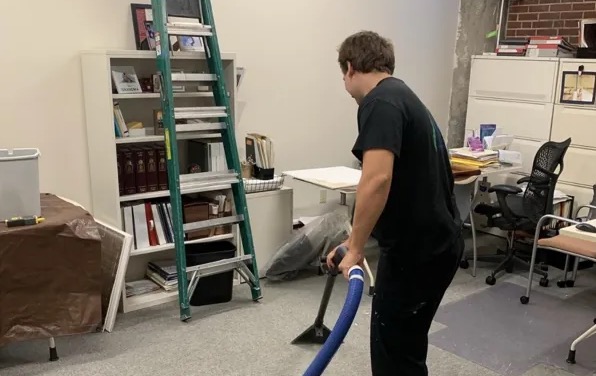
Get Subfloor Water Damage Repair Help in North Richland Hills Today
Emergency subfloor water removal services in North Richland Hills address sudden flooding from burst pipes, appliance failures, or severe weather incidents. Subfloor drying experts come with powerful pumps and extractors for subfloor water extraction.
In North Richland Hills, hidden moisture under floors can lead to serious structural damage over time. The pros in North Richland Hills and nearby Richland Hills, Hurst and Bedford dry subfloors with professional equipment.
Common Subfloor Water Damage Repair Processes
Subfloor Mold Prevention
Preventing mold requires moisture control. The pros may use antimicrobial treatments on subfloor surfaces after drying.
Wet Subfloor Drying
Without proper drying, a subfloor can warp or mold. Professionals use strategic equipment placement to circulate dry air.
Emergency Subfloor Water Removal
For emergencies in North Richland Hills, subfloor water removal makes a significant difference. Professionals understand that water under a floor can affect a wide area.
Water Damaged Subfloor Repair
After drying, some sections may need replacement. The pros identify areas with broken-down wood fibers or mold.
Subfloor Moisture Inspection
Inspecting for moisture reveals the true damage area. Specialists take systematic readings to identify all affected zones.
Indicators of Subfloor Water Damage in North Richland Hills
Floor Discoloration or Darkening
Discolored, darkened patches on flooring materials are a visual indicator of water migration from a compromised subfloor.
Increased Humidity in Home
Unexplained high indoor humidity levels can be caused by evaporating moisture from a water damaged subfloor.
Wet Spots on Flooring
If you notice persistent damp spots on your floor surface, that could indicate water trapped below in the subfloor layer.
Spongy or Soft Floor Feel
Walking on a floor that feels unusually soft or springy suggests the subfloor structure has been compromised by water.
How Subfloor Water Damage Repair Works in North Richland Hills
Step 1: Containment & Source Control
The work area is isolated to prevent cross-contamination. Simultaneously, the specialists diagnose and execute the necessary subfloor leak source repair to halt ongoing water intrusion.
Step 2: Comprehensive Water Extraction
Every effort is made to remove water physically before drying. This subfloor water extraction phase employs tools designed to pull moisture from wood fibers and concrete substrates effectively.
Step 3: Subfloor Water Damage Restoration
The subfloor is dried and checked. Panels that dry sound are kept, and those that are delaminated or rotted are marked for replacement.
Step 4: Structural Repair & Integrity Restoration
Damaged panels are replaced and joists are sistered where needed, so new flooring goes down on a solid, level base.
Common Causes of Subfloor Water Damage
Flooding From Upstairs Sources
An overflow from an upstairs bathroom, laundry, or kitchen can flood down through ceilings and walls, soaking lower subfloors.
Plumbing Leaks Under Floor
A slow leak from supply lines, drain pipes, or fittings under the floor can silently soak the subfloor over time.
Foundation or Slab Moisture
Groundwater seepage or capillary action through a concrete slab can introduce constant moisture to the subfloor above.
Toilet Seal or Flange Leaks
Failed wax rings or cracked toilet flanges allow continuous water leakage during every flush, damaging the surrounding subfloor.
Both Residential & Commercial Subfloor Water Damage Repair
Residential Subfloor Water Damage Repair
In houses, a slow subfloor leak rots wood and draws pests. Local pros fix the leak and replace only the panels that are too damaged to keep.
Commercial Subfloor Water Damage Repair
Commercial facilities like gyms or labs have unique subfloor vulnerabilities from spills or plumbing. Subfloor water damage cleanup professionals assess the specific risks.
The Risks of DIY Subfloor Water Damage Repair
You can safely remove standing water from a floor surface using a mop or vacuum after ensuring electricity is off in the area. Avoid using excessive heat like space heaters directly on wet flooring, as this can warp materials.
Getting Clarity on Subfloor Water Damage Repair Cost
In North Richland Hills, the price for professional subfloor water damage repair varies with the complexity of accessing the subfloor and the extent of necessary repairs.
Drying Duration
The time needed for subfloor moisture removal using professional drying equipment directly correlates to the operational costs for the professionals.
Mold Prevention
If subfloor mold prevention measures, like antimicrobial treatments, are necessary following water extraction, this adds a step to the overall restoration protocol.
Leak Source Repair
Identifying and fixing the subfloor leak source is often a separate task that must be completed before the drying and repair can finalize.
Does Insurance Cover Subfloor Water Damage Repair?
Whether insurance covers subfloor water damage restoration hinges on the source, sudden leaks may be covered, while gradual seepage often is not.
Reasons to Select Experienced Subfloor Drying Experts
Comprehensive Moisture Inspection
Detailed subfloor moisture inspection using moisture meters and thermal imaging identifies hidden saturation to guide the complete water damage cleanup.
Advanced Drying Equipment
High-capacity dehumidifiers and air movers dry the subfloor fully and help prevent mold.
Structural Integrity Assessment
The condition of the subfloor is evaluated during repair to determine if wet subfloor replacement is necessary or if drying will suffice.
24/7 Subfloor Water Damage Repair When You Need It
Found a wet subfloor? Call the experts at (214) 466-1670 24/7. Prompt drying can save panels and keep repair costs down.
Call Now (214) 466-1670Subfloor Water Damage Repair Throughout the North Richland Hills Region
Subfloor water extraction and repair services are available throughout North Richland Hills, along with surrounding communities including Richland Hills, Hurst and Bedford.
- Subfloor Water Damage Repair in Richland Hills
- Subfloor Water Damage Repair in Hurst
- Subfloor Water Damage Repair in Bedford
- Subfloor Water Damage Repair in Colleyville
- Subfloor Water Damage Repair in Keller
- Subfloor Water Damage Repair in Saginaw
- Subfloor Water Damage Repair in Southlake
- Subfloor Water Damage Repair in Euless
- Emergency Damage Restoration in 76180
- Storm Damage Restoration in 76180
- Water Damage Restoration in 76180
- Water Extraction Service in 76180
- Water Leak Detection in 76180
- Water Removal Service in 76180
- Emergency Damage Restoration in 76182
- Storm Damage Restoration in 76182
Common Subfloor Water Damage Repair Queries Answered
Are different subfloor materials treated the same way?
No, drying protocols differ for wood-based subfloors versus concrete slabs; professionals adjust equipment settings and drying times based on the specific material involved.
What is verified after subfloor drying services are complete?
The professionals verify that moisture readings match dry standard levels in the subfloor and surrounding materials, ensuring the environment is stable for repair or rebuilding.
What types of subfloor drying equipment are most effective?
High-velocity air movers, LGR or desiccant dehumidifiers and floor drying systems that push dry air under the floor.
What does subfloor water damage restoration include?
It covers water extraction, drying, disinfecting, panel repairs and a final moisture check before new flooring goes in.
Is wet subfloor replacement always required after a leak?
No, replacement is only needed if the structural materials are compromised beyond repair; professional assessment determines if drying and repair are sufficient.