North Richland Hills, TX · Tarrant County
Rapid Structural Drying in North Richland Hills, TXMoisture Mapping Services & Concrete Slab Drying
Rapid Structural Drying in North Richland Hills includes emergency structural drying, moisture mapping services, and flood drying services.
Answered 24/7
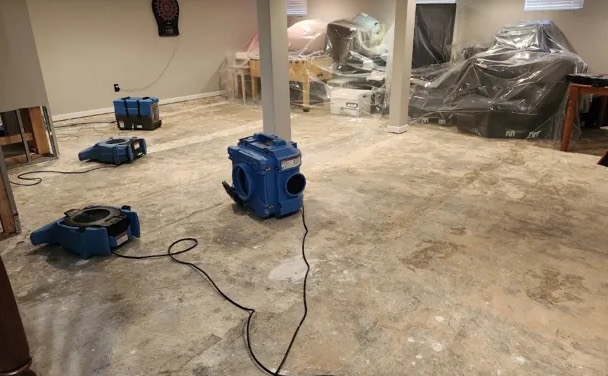
Professional Rapid Structural Drying in North Richland Hills, TX
Wall cavities act as hidden reservoirs for water after a leak. Insulation and framing inside walls hold moisture long after surface water is gone.
Residential structural drying in North Richland Hills focuses on protecting family homes from water-related deterioration. Local moisture removal experts perform flood drying services and moisture mapping services as part of a full response. Coverage includes areas around Richland Hills, Hurst and Bedford for convenient access.
Tailored Rapid Structural Drying for North Richland Hills
Moisture Mapping Services
Effective drying starts with accurate assessment. Moisture mapping services use penetrating and non-penetrating moisture meters to create a detailed picture of affected areas.
Concrete Slab Drying
After a major flood, a concrete floor often holds significant moisture. Drying the slab prevents future problems with flooring and humidity.
Emergency Structural Drying
The priority after water damage is rapid drying. Powerful drying systems are then activated to aggressively remove water vapor and protect the building's integrity.
Structural Dehumidification
After water extraction, dehumidification tackles the remaining vapor. Structural dehumidification creates a drying gradient, pulling moisture from wet materials into the drier air.
Crawl Space Drying
Drying removes pooled water and addresses residual moisture in soil and joists with a system tailored to the space's size and conditions.
When Rapid Structural Drying is needed
Musty Odors in Your Home
A musty smell that will not go away usually means moisture is trapped inside walls or under floors.
Warped or Bubbling Floorboards
Hardwood floors that buckle or cup have taken on moisture from below, usually from a wet subfloor.
Water Pooling in Crawl Spaces
Standing water under your home puts floor framing at risk and needs pumping and drying.
Squeaking or Soft Floor Areas
Unusual noises or soft spots when walking indicate compromised subflooring from water damage that needs assessment.
How Rapid Structural Drying Works in North Richland Hills
Step 1: Site Evaluation for Hidden Moisture
The service starts with a thorough evaluation using probes and sensors to locate all hidden moisture within wall cavities, subfloors, and concrete slabs.
Step 2: Deployment of Industrial Drying Systems
Commercial dehumidifiers and air movers are set up to pull water out of dense materials like hardwood and framing.
Step 3: Active Wall and Subfloor Drying Cycle
An active drying cycle begins, with equipment running continuously to evaporate and extract moisture, focusing on wall cavity and subfloor drying.
Step 4: Assurance of Complete Moisture Removal
Before concluding, pros verify complete moisture removal with final checks, ensuring the structure is protected from future mold or rot issues.
What Leads to Needing Rapid Structural Drying
HVAC System Condensation Issues
Clogged drain lines or faulty condensate pumps from air handlers can cause significant water damage inside walls and ceilings.
Burst Pipes or Plumbing Failures
A burst pipe can release hundreds of gallons, soaking drywall, subfloors and framing well beyond the room where it broke.
Clogged Gutters and Downspouts
When gutters overflow, water pools against the foundation and can seep into crawl spaces, slabs and lower walls.
Severe Weather and Flooding
Heavy rainfall or localized flooding can overwhelm drainage, leading to water intrusion.
Rapid Structural Drying for Homes and Businesses
Residential Rapid Structural Drying
Subfloor drying preserves the stability of residential floors. Water damage pros use injectidry systems and floor mat drying to extract moisture from between joists without removing the finished flooring above.
Commercial Rapid Structural Drying
Restaurants and hotels need kitchen subfloors and guest room walls dried quickly. The pros use commercial extraction and drying equipment and work around service hours.
Why DIY Rapid Structural Drying Often Fails
You can use a wet-dry vacuum to remove standing water from hard surface floors. Be sure to document the damage with photos for your insurance claim.
Factors Affecting Rapid Structural Drying Pricing
In North Richland Hills, the cost of professional structural drying is influenced by the number of rooms affected and the type of materials involved. Drying thick concrete slabs or enclosed wall cavities typically requires more resources.
Extent of Water Damage
The square footage and depth of saturation in materials like drywall and subflooring directly impact the drying time and equipment needed.
Secondary Damage Prevention
Efforts to prevent mold growth during the drying process, such as applying antimicrobials, can be a factor in the service cost.
Water Contamination Category
Clean water from a broken pipe is simpler to address than contaminated flood water, which requires more extensive safety and drying protocols.
Does Insurance Cover Rapid Structural Drying?
Whether insurance covers emergency structural drying in North Richland Hills is determined by your specific policy language. It is essential to confirm coverage details with your insurance provider before authorizing any major work.
Benefits of Professional Rapid Structural Drying
Thorough Process Verification
Drying is monitored until moisture levels in materials meet standard dry criteria before equipment is removed.
24/7 Emergency Response
Help is available day or night to begin the rapid structural drying process and limit further damage.
IICRC-Standard Drying Methods
Drying follows set targets checked with meters, which prevents damage from moisture left behind.
24/7 Emergency Rapid Structural Drying in North Richland Hills
The first 24 to 48 hours after a leak matter most for drying. If you have standing water or soaked walls, call (214) 466-1670 to start drying.
Call Now (214) 466-1670Rapid Structural Drying Near North Richland Hills: Areas Served
Wall cavity and subfloor drying is available in North Richland Hills and nearby areas such as Richland Hills, Hurst and Bedford.
- Rapid Structural Drying in Richland Hills
- Rapid Structural Drying in Hurst
- Rapid Structural Drying in Bedford
- Rapid Structural Drying in Colleyville
- Rapid Structural Drying in Keller
- Rapid Structural Drying in Saginaw
- Rapid Structural Drying in Southlake
- Rapid Structural Drying in Euless
- Emergency Damage Restoration in 76180
- Storm Damage Restoration in 76180
- Water Damage Restoration in 76180
- Water Extraction Service in 76180
- Water Leak Detection in 76180
- Water Removal Service in 76180
- Emergency Damage Restoration in 76182
- Storm Damage Restoration in 76182
Rapid Structural Drying Information and Answers
How does drying differ for residential structural drying?
Residential structural drying often involves navigating living spaces, personal belongings, and varied construction materials, with a focus on restoring habitability and protecting the home's value.
Is rapid structural drying needed for clean water leaks?
Yes, even clean water from a broken pipe requires rapid structural drying to prevent absorption into porous materials, which can lead to swelling, warping, and potential mold.
What happens if wall cavity drying is delayed?
Delayed wall cavity drying allows moisture to promote mold growth inside walls, degrade insulation, and potentially weaken drywall or wooden studs, leading to more extensive and invasive repairs.
What equipment is used for water mitigation drying?
Water mitigation drying utilizes industrial air movers for evaporation, high-capacity dehumidifiers to remove vapor, and moisture meters to monitor progress throughout the structural drying process.
When is crawl space drying necessary?
Crawl space drying is necessary when flooding or high humidity saturates this enclosed area, as trapped moisture can damage foundation piers, joists, and lead to mold growth throughout the home.