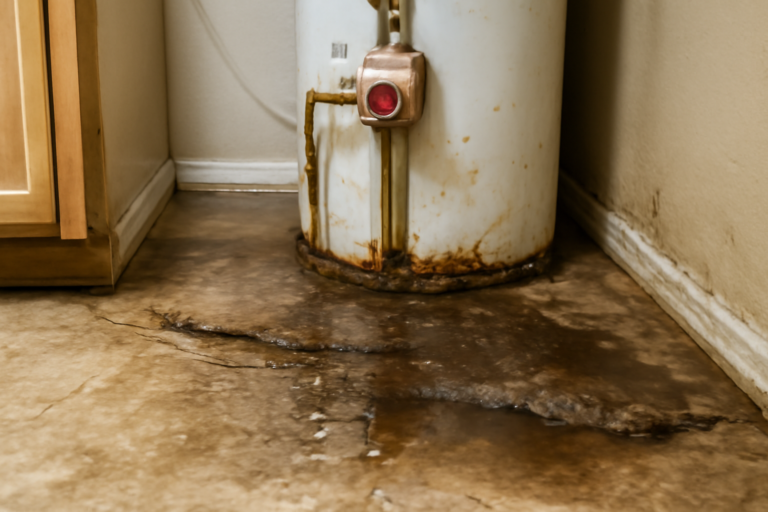
HVAC Leak Water Removal in Lake Dallas, TX
Trusted by 155+ Homeowners
Hot Summers in Lake Dallas, TX: When Your HVAC System Can’t Keep Up
Summer afternoons in Lake Dallas, TX can be sweltering. Your air conditioner is your best friend during these hot months, but it’s not immune to issues. A malfunctioning HVAC system can lead to water leaks, causing damage to your home and belongings. You might not even notice these leaks until it’s too late, but there are signs to watch out for. Don’t let water damage ruin your summer before it’s too late.
With over 165+ five-star reviews, our team has helped countless homeowners in the area recover from HVAC leak water damage. Our technicians are IICRC certified and dedicated to providing top-notch services. You can trust us to get the job done right on time and within budget.
- Effective removal of water and moisture to prevent mold growth and further damage.
- Thorough inspection and identification of the source of the leak to prevent future occurrences.
- Complete drying and dehumidification of affected areas to ensure your home is safe and healthy.
The Science Behind Our HVAC Leak Water Removal Process
When you call us for HVAC leak water removal, you’re not just getting a team of technicians; you’re getting a process that’s designed to work for you, not against you. We take the time to assess the situation, extract the water, and dry your space thoroughly. This might seem like a simple process, but it needs finesse and the right equipment to get it done right the first time.
Step 1: Inspection and Assessment
Our technicians will arrive at your doorstep, equipped with the latest tools and technology to diagnose the issue. They’ll assess the damage, identify the source of the leak, and develop a plan to get your home back to normal. This step is crucial in determining the scope of the work and the resources needed to get the job done efficiently.
Step 2: Water Extraction
Once we’ve identified the source of the leak, our team will extract the water from your home using specialized equipment. This might involve heavy-duty pumps, wet vacuums, or even freeze-drying techniques, depending on the severity of the damage. We’ll work tirelessly to remove as much water as possible, reducing the risk of further damage and ensuring a swift recovery.
Step 3: Drying and Dehumidification
After the water has been extracted, our team will use industrial-grade dehumidifiers and air movers to dry your space thoroughly. This is a critical step in preventing mold growth and ensuring your home is safe and healthy. We’ll work around the clock to get your space dry and comfortable as quickly as possible.
Step 4: Cleaning and Sanitizing
Once your home is dry, our team will conduct a thorough cleaning and sanitizing of the affected areas. This might involve specialized cleaning solutions, antimicrobial treatments, or even ozone generators to remove any lingering moisture or contaminants and leave your home smelling fresh and clean.
Step 5: Final Inspection and Verification
Before we leave your doorstep, our technicians will conduct a final inspection to ensure your home is safe and healthy. We’ll verify that the damage has been fully restored, the water has been completely removed, and your space is comfortable and free of odors and moisture issues.
Don’t wait any longer to address your HVAC leak water damage. Call us today and let our team get to work on restoring your home to its former glory and giving you peace of mind.

Warning Signs You Need HVAC Leak Water Removal
Water damage from your HVAC system can be sneaky, but there are signs to watch out for. Catching these issues early can save you thousands of dollars in repairs and prevent bigger problems down the line like mold growth and structural damage.
Musty Odors That Won’t Go Away
Is your home filled with musty smells that linger long after you’ve cleaned? This could be a sign of water damage or mold growth, both of which can be hazardous to your health and need professional attention.
Water Stains on Your Ceilings or Walls
Are you noticing water stains or mineral deposits on your ceilings or walls? This could show a leak in your HVAC system or a burst pipe, both of which need to be addressed immediately to prevent further damage.
Warped or Buckled Flooring
Is your flooring warped, buckled, or sagging? This could be a sign of water damage or excessive moisture, both of which can compromise the structural integrity of your home and put your family at risk.
Unexplained Mold or Mildew Growth
Is there mold or mildew growing in your home, particularly in areas where water is present? This could be a sign of water damage or excessive moisture, both of which can be hazardous to your health and need professional attention.
Unusual Noises or Sounds
Are you hearing unusual noises or sounds coming from your HVAC system, such as hissing, gurgling, or banging? This could show a leak or malfunction, both of which need to be addressed immediately to prevent further damage.
Unexplained Drips or Leaks
Are you noticing unexplained drips or leaks coming from your HVAC system or pipes? This could show a leak or malfunction, both of which need to be addressed immediately to prevent further damage.
HVAC Leak Water Removal vs. DIY: When To Call a Professional
| Situation | DIY? | Call a Pro? | Why |
|---|---|---|---|
| Small leak from a faulty condenser coil | Yes | No | You can fix the issue yourself with basic tools and DIY knowledge, but be sure to follow safety guidelines and manufacturer instructions. |
| Large leak from a burst pipe or HVAC part | No | Yes | This needs specialized equipment and expertise to prevent further damage and ensure a safe recovery. |
| Water damage from a clogged drain or condensate line | Maybe | Maybe | You can try to fix the issue yourself, but if you’re not comfortable with DIY repairs or if the damage is extensive, it’s best to call a professional. |
| Structural damage or collapse due to water damage | No | Yes | This needs immediate attention from a professional to prevent further damage and ensure a safe recovery. |
| Mold or mildew growth due to water damage | No | Yes | This needs specialized equipment and expertise to safely remove the mold or mildew and prevent further contamination. |
| Water damage from an unknown source or cause | No | Yes | This needs a professional investigation to find out the source and extent of the damage, as well as to ensure a safe recovery. |
With HVAC leak water removal, it’s always better to err on the side of caution. If you’re unsure about the severity of the damage or the best course of action, it’s best to call a professional to ensure a safe and effective recovery and prevent further damage.
HVAC Leak Water Removal Cost In Lake Dallas, TX
The cost of HVAC leak water removal can vary depending on the severity of the damage, the size of the affected area, and other factors. But, with our team’s expertise and specialized equipment, you can trust that you’re getting the best value for your money and a safe recovery.
| Service | Typical Price Range | What Affects Cost |
|---|---|---|
| Water extraction and removal | $500 – $2,500 | The severity of the damage and the size of the affected area |
| Drying and dehumidification | $500 – $2,000 | The size of the affected area and the type of equipment needed |
| Cleaning and sanitizing | $200 – $1,000 | The extent of the damage and the type of cleaning solutions needed |
| Inspection and assessment | $100 – $500 | The complexity of the issue and the time required to diagnose the problem |
| Equipment rental and supply costs | $500 – $2,000 | The type of equipment needed and the rental duration |
| Travel and labor costs | $500 – $2,000 | The distance to the job site and the number of hours worked |
Exact pricing will depend on an on-site assessment, and we offer free estimates to ensure you know what to expect and can plan accordingly.
Service Areas Near Lake Dallas, TX
We serve the following nearby communities: Addison, Allen, Carrollton, Coppell, Farmers Branch, Flower Mound, Frisco, Garland, Grapevine, Highland Park, Irving, Lewisville, McKinney, Plano, Richardson, Southlake, The Colony, University Park, and Wylie.
Common Questions About HVAC Leak Water Removal
Q: What causes HVAC leak water damage?
A: HVAC leak water damage can be caused by a variety of factors, including a malfunctioning condenser coil, a burst pipe, or a clogged drain or condensate line. It’s essential to address the issue quickly to prevent further damage and ensure a safe recovery and prevent costly repairs.
Q: How do I prevent HVAC leak water damage?
A: To prevent HVAC leak water damage, it’s essential to regular maintenance and inspections. This includes checking the condenser coil, drain, and condensate line for damage or blockages. You should also ensure that the HVAC system is properly installed and that the drainage system is functioning correctly and preventing water accumulation.
Q: What happens if I ignore HVAC leak water damage?
A: Ignoring HVAC leak water damage can lead to further damage, including mold growth, structural problems, and even safety hazards. It’s essential to address the issue quickly to prevent these consequences and ensure a safe recovery and prevent costly repairs.
Q: Can I fix HVAC leak water damage myself?
A: While some minor issues can be addressed DIY, major water damage needs specialized equipment and expertise. It’s best to call a professional to ensure a safe and effective recovery and prevent further damage.
Q: How long does HVAC leak water removal take?
A: The length of time required for HVAC leak water removal depends on the severity of the damage, the size of the affected area, and other factors. Our team will work tirelessly to ensure a safe and effective recovery, often within 24-48 hours and ensuring a swift return to normalcy.
Check Our Other Relevant Services
Serving Lake Dallas, TX And Nearby Areas