HVAC Leak Water Removal in Grand Prairie, TX
Trusted by 155+ Homeowners
HVAC Leak Water Removal in Grand Prairie, TX: Don’t Wait Any Longer
You’re in the middle of a sweltering summer evening, and you notice a small puddle of water on your living room floor. As you investigate further, you realize it’s coming from your air conditioning unit. The smell of dampness fills the air, and you hear the sound of dripping water getting louder by the minute. This is not just a minor issue – it’s a sign of a much bigger problem: an HVAC leak that needs to be addressed immediately today.
With over 165 five-star reviews from satisfied homeowners in the area, our team has earned a reputation for delivering top-notch service for HVAC leak water removal in Grand Prairie, TX. Homeowners choose us because we understand the urgency of the situation and the importance of getting it right the first time.
- We use advanced equipment to detect moisture levels and pinpoint the source of the leak.
- We set up a customized drying protocol to prevent further damage and ensure a safe environment.
- We work efficiently to reduce downtime and get your home back to normal as soon as possible.
How Our Team Approaches HVAC Leak Water Removal
A proper HVAC leak water removal process needs a systematic approach to ensure thorough drying and prevention of further damage. Our team follows a meticulous protocol that includes:
Step 1: Assessment and Containment
Our technicians arrive quickly to assess the situation and contain the leak to prevent further water damage. We use specialized equipment to detect moisture levels and pinpoint the source of the leak. This step is crucial in preventing further damage and ensuring a safe environment.
Step 2: Water Extraction
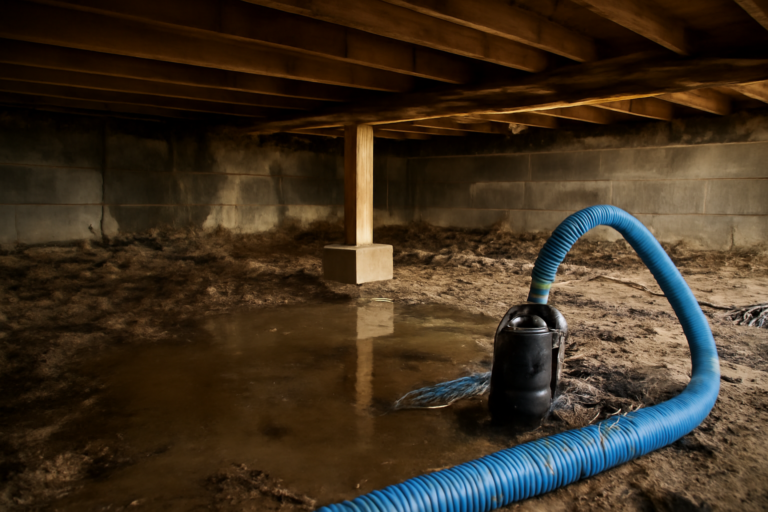
We use industrial-grade pumps and vacuums to extract as much water as possible from the affected area. This step is critical in preventing further damage and ensuring a thorough drying process.
Step 3: Drying and Dehumidification
We set up a customized drying protocol to prevent further damage and ensure a safe environment. This includes the use of industrial-grade dehumidifiers and air movers to speed up the drying process.
Step 4: Cleaning and Sanitizing
We use specialized cleaning solutions and equipment to clean and sanitize the affected area, removing any dirt, grime, or bacteria that may have accumulated.
Step 5: Restoration and Repair
Once the area is dry and clean, our team works on restoring and repairing any damaged materials, including drywall, flooring, and ceilings.
Don’t wait any longer to address the issue. Call us now to schedule an appointment and get your home back to normal as soon as possible.

Warning Signs You Need HVAC Leak Water Removal
Catching these signs early can save you money and prevent bigger problems down the line. Look out for:
Musty Odors That Won’t Go Away
A persistent musty smell in your home can be a sign of an HVAC leak. If you notice a strong, unpleasant odor that won’t go away, it’s time to call us.
Water Stains on Your Ceiling
Water stains on your ceiling can be a sign of an HVAC leak. If you notice water stains or discoloration on your ceiling, it’s time to act fast.
Warped or Buckled Flooring
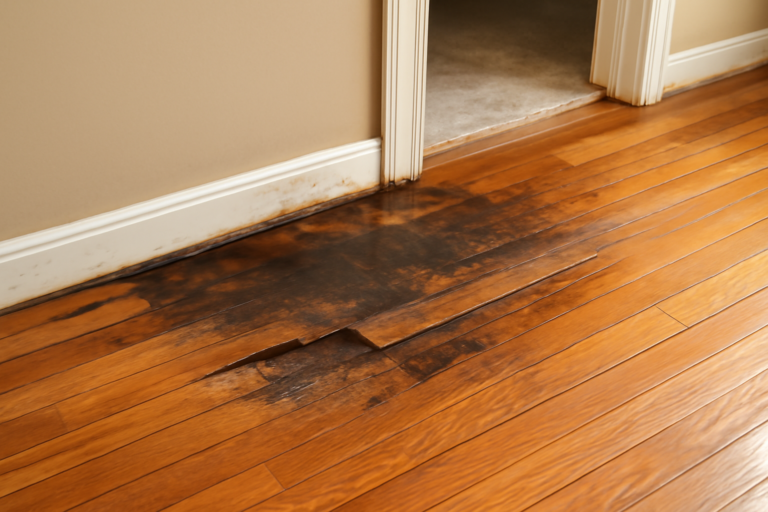
Warped or buckled flooring can be a sign of an HVAC leak. If you notice your flooring is warped or buckled, it’s time to call us.
Increased Humidity
Increased humidity in your home can be a sign of an HVAC leak. If you notice your home feels more humid than usual, it’s time to check for leaks.
Water Damage on Your Walls
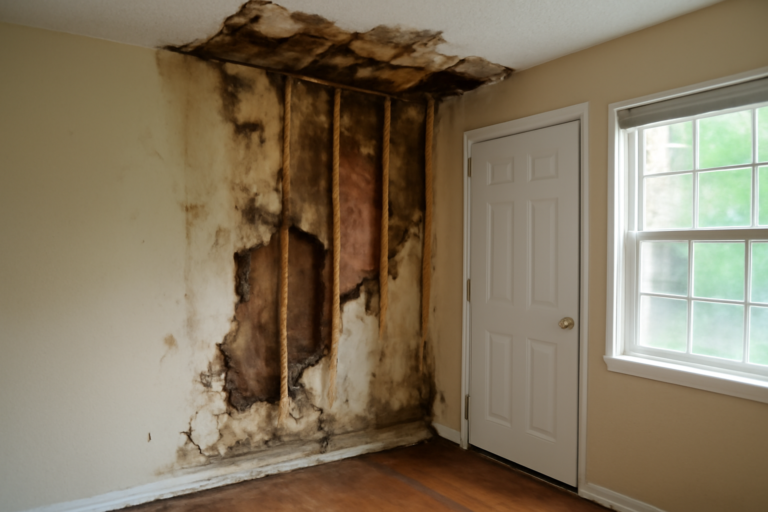
Water damage on your walls can be a sign of an HVAC leak. If you notice water damage or discoloration on your walls, it’s time to call us.
Unpleasant Sounds
Unpleasant sounds, such as dripping water or hissing air, can be a sign of an HVAC leak. If you notice any unusual sounds coming from your HVAC unit, it’s time to investigate.
HVAC Leak Water Removal vs. DIY: When To Call a Professional
| Situation | DIY? | Call a Pro? | Why |
|---|---|---|---|
| You notice a small leak in your HVAC unit. | Yes | No | You can fix the leak yourself with some basic tools and knowledge. |
| You notice a large amount of water damage in your home. | No | Yes | You need professional help to assess and repair the damage. |
| You’re not sure what caused the leak or how to fix it. | No | Yes | You need professional expertise to diagnose and repair the issue. |
| You have a large home with multiple HVAC units. | No | Yes | You need professional help to assess and repair multiple units. |
| You’re not comfortable working with electrical or water systems. | No | Yes | You need professional help to ensure your safety and the safety of your home. |
Don’t risk your safety and the integrity of your home by trying to fix the issue yourself. Call a professional to assess and repair the damage.
HVAC Leak Water Removal Cost in Grand Prairie, TX
The cost of HVAC leak water removal can vary depending on the severity of the issue, the size of the affected area, and local conditions. These estimates are based on typical scenarios and may not reflect your specific situation. Here are some estimated price ranges for common scenarios:
| Service | Typical Price Range | What Affects Cost |
|---|---|---|
| Water Extraction | $500 – $2,500 | The amount of water extracted and the equipment used. |
| Drying and Dehumidification | $1,000 – $5,000 | The size of the affected area and the equipment used. |
| Cleaning and Sanitizing | $500 – $2,000 | The extent of the damage and the cleaning solutions used. |
| Restoration and Repair | $2,000 – $10,000 | The extent of the damage and the materials needed for repair. |
Exact pricing will depend on an on-site assessment and free estimates are available. Call us today to schedule an appointment and get a quote for your specific situation.
Service Areas Near Grand Prairie, TX
We serve the following communities: Arlington, Bedford, Benbrook, Colleyville, Crowley, Dallas, Euless, Fort Worth, Grapevine, Haltom City, Hurst, Keller, Lake Worth, Mansfield, North Richland Hills, Richland Hills, Southlake, Watauga, Westlake, White Settlement.
Common Questions About HVAC Leak Water Removal
Q: What causes HVAC leaks?
A: HVAC leaks can be caused by a variety of factors, including clogged air filters, dirty coils, and worn-out seals. Our team can help you diagnose the issue and provide a solution.
Q: How long does the process take?
A: The length of time it takes to complete the process depends on the severity of the issue and the size of the affected area. On average, it takes 3-5 days to complete the process.
Q: Is the process messy?
A: Yes, the process can be messy, but our team takes every precaution to reduce the disruption to your daily life. We use specialized equipment and cleaning solutions to ensure a thorough and safe cleaning process.
Q: Can I prevent HVAC leaks?
A: Yes, there are steps you can take to prevent HVAC leaks, including regular maintenance, cleaning the air filters, and checking the coils for dirt and debris. Our team can provide you with a customized maintenance plan to help you prevent future leaks.
Check Our Other Relevant Services
- Gutter Overflow Water Removal in Grand Prairie, TX
- Ceiling Drywall Water Damage Restoration in Grand Prairie, TX
Serving Grand Prairie, TX And Nearby Areas