Cedar Hill, TX · Dallas County
Emergency Water Removal (24/7) in Cedar Hill, TXSewage Backup Water Extraction & Emergency Flood Cleanup
Emergency Water Removal (24/7) in Cedar Hill handles emergency flood cleanup, sewage backup water extraction and wet drywall water damage.
Answered 24/7
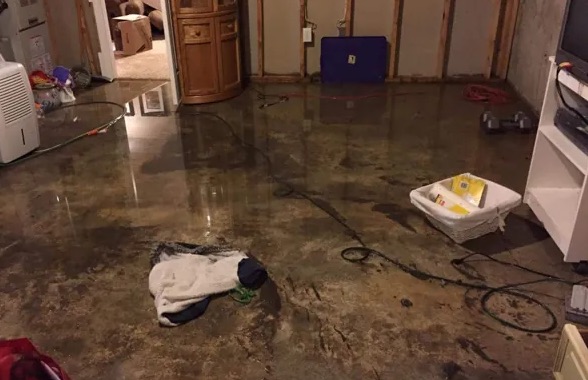
Local Emergency Water Removal (24/7) Services in Cedar Hill
In Cedar Hill, water emergencies disrupt daily life and threaten property value. Fast water removal minimizes the time your home is exposed to moisture, reducing the scope of necessary repairs.
Properties in Cedar Hill and nearby areas like Duncanville, DeSoto and Glenn Heights often flood after a sudden leak or an appliance failure. Local water damage pros provide emergency water removal (24/7) to stop the damage from spreading.
Complete Emergency Water Removal (24/7) Offerings in Cedar Hill
Sewage Backup Water Extraction
Local experts remove the contaminated water, limiting exposure time and preventing its spread to other areas of the property during the crucial initial response phase.
Emergency Flood Cleanup
Pros pump out the flood, then remove mud and debris, hose down soiled areas and clean contents that can be saved.
Flooded Carpet Water Removal
For carpets, timely water removal improves salvageability. Moisture meters then confirm no dampness is left in the fibers or the pad underneath.
Wet Drywall Water Damage
For homes in Cedar Hill, wet drywall water damage is a common issue. The pros prioritize drying the wall cavity after extraction.
Burst Pipe Water Cleanup
Burst pipe cleanup starts where the pipe broke and follows the water's path. Infrared cameras find hidden moisture so extraction covers every wet material.
Indications Your Cedar Hill Property Needs Water Extraction
Musty or Moldy Odors
A persistent earthy smell often means hidden moisture behind walls or under floors that has not dried.
Stained or Sagging Insulation
Discolored or drooping attic insulation points to a roof leak soaking the ceiling below.
Swollen Doors or Cabinets
Doors or cabinets that stick or swell are reacting to moisture from water in the room.
Buckling Hardwood Floors
Warped or cupping wood flooring means water has reached the underside of the boards.
How Emergency Water Removal (24/7) Works in Cedar Hill
Step 1: On-Site Water Mitigation Assessment
The pros look over the damage and find every wet area so the water removal can be planned.
Step 2: Aggressive Water Removal Phase
Using extractors, they remove water from all surfaces, including under appliances and cabinets.
Step 3: Targeted Drying for Wet Drywall
For wet drywall, small drying holes or wall injection systems can dry the cavity without full removal.
Step 4: Post-Drying Verification Check
A final inspection with thermal imaging and meters confirms all structural materials are dry.
What Leads to Emergency Water Removal in Cedar Hill
HVAC System Condensation
Clogged condensate drain lines or a faulty AC unit can leak a lot of water into ceilings and floors.
Appliance Hose Failures
Washing machine, dishwasher and refrigerator hoses can crack or loosen, sending water across floors and under cabinets.
Overflowing Sinks or Tubs
A faucet left running or a clogged drain can overflow a sink or tub and flood the floor.
Natural Disaster Impacts
Storms can damage roofs, windows and doors and let in enough water to flood rooms.
Property-Wide Emergency Water Removal (24/7) in Cedar Hill
Residential Emergency Water Removal (24/7)
The pros remove waterlogged materials like wet insulation, then dry the subfloor and framing to restore the home's integrity.
Commercial Emergency Water Removal (24/7)
Water mitigation services involve extracting water from common areas and units, coordinating drying to protect shared walls and electrical conduits.
The Risks of DIY Emergency Water Removal (24/7) in Cedar Hill
After a small leak, wiping up visible water is fine. For any leak that has soaked insulation, drywall, or subflooring, contact the pros. They perform water mitigation services to dry those materials properly and prevent long-term issues.
What Affects Emergency Water Removal (24/7) Pricing in Cedar Hill
The price of emergency water removal in Cedar Hill depends on how much water there is, how dirty it is and how large the wet area is.
Type of Materials Damaged
Carpet and drywall take more work to dry than tile or concrete.
Structural Repair Needs
Removing and replacing wet drywall or subflooring adds to the overall job.
Access and Complexity
Water in hard-to-reach places like crawl spaces takes longer to find and remove.
Does Insurance Cover Emergency Water Removal (24/7)?
Water damage from a sudden leak is often covered, while gradual damage from neglect may not be. The pros keep a detailed report of readings and photos.
Advantages of Local Water Damage Pros in Cedar Hill
Odor and Sanitation Focus
Wet areas are cleaned and disinfected after extraction to remove dirt and odors.
Clear Communication
You get clear explanations of the work and what the first inspection found.
24/7 Emergency Response
Starting early limits the damage, and the experts in Cedar Hill can be reached any time, day or night.
Emergency Flood Response in Cedar Hill, TX
For sewage backups or any dirty water, professional help is needed. Call (214) 466-1670 to reach the experts in Cedar Hill for safe extraction and cleanup.
Call Now (214) 466-1670Emergency Water Removal (24/7) Near Cedar Hill: Areas Served
Residents of Cedar Hill and nearby Duncanville, DeSoto and Glenn Heights can get help with flood cleanup and drying at any hour.
- Emergency Water Removal (24/7) in Duncanville
- Emergency Water Removal (24/7) in DeSoto
- Emergency Water Removal (24/7) in Glenn Heights
- Emergency Water Removal (24/7) in Midlothian
- Emergency Water Removal (24/7) in Red Oak
- Emergency Water Removal (24/7) in Grand Prairie
- Emergency Water Removal (24/7) in Lancaster
- Emergency Water Removal (24/7) in Mansfield
- Emergency Damage Restoration in 75104
- Storm Damage Restoration in 75104
- Water Damage Restoration in 75104
- Water Extraction Service in 75104
- Water Leak Detection in 75104
- Water Removal Service in 75104
- Emergency Damage Restoration in 75106
- Storm Damage Restoration in 75106
Frequently Asked Questions About Emergency Water Removal (24/7)
Can wet drywall be saved after water damage?
Often, wet drywall below the water line must be removed to properly dry the wall cavity and framing.
Why is documentation important for water damage insurance claims?
Photos, moisture readings and a written log show your insurer how bad the damage was and why the work was needed.
What happens during the water damage assessment?
The experts use moisture meters and thermal cameras to map the wet areas, check the water type and plan extraction and drying.
How long does the drying process take after water extraction?
Drying typically takes 3 to 5 days with professional equipment, but it depends on humidity, material types, and the initial amount of water.
Are air movers and dehumidifiers left running overnight?
Yes. Drying equipment usually runs around the clock, and the pros check it regularly.